Reclaiming my story: A journey through lived and living experience
Published: August 3, 2026
I have been in and out of mental health services for over 30 years. When I first entered ‘the system’, instead of being met with compassion or curiosity, I encountered a view of my experiences that was very focused on problems and gaps. It felt like I had become a collection of symptoms, a risk to be managed, a problem to be solved. I felt judged. I felt like things were being done to me, rather than with me.
Receiving a primary diagnosis of bipolar was a significant turning point in my life. The way I moved through the world suddenly made more sense. But on the other hand, I carried a deeply stigmatised view of what it meant to have a bunch of labels attached to me. It took two rounds of counselling, a lot of soul searching, and three separate confirmations of the diagnosis for me to finally accept it as true. Accepting my diagnosis was huge part of accepting myself.
Then I met a peer support specialist – someone with their own lived and living experience, who had walked a similar journey to me. They met me at my level, exactly where I was, and from that place they built trust, understanding, and eventually, hope.
That peer support specialist completely transformed my experience with services. It is that simple. I no longer felt like something to be managed or monitored. I felt seen. I felt heard.
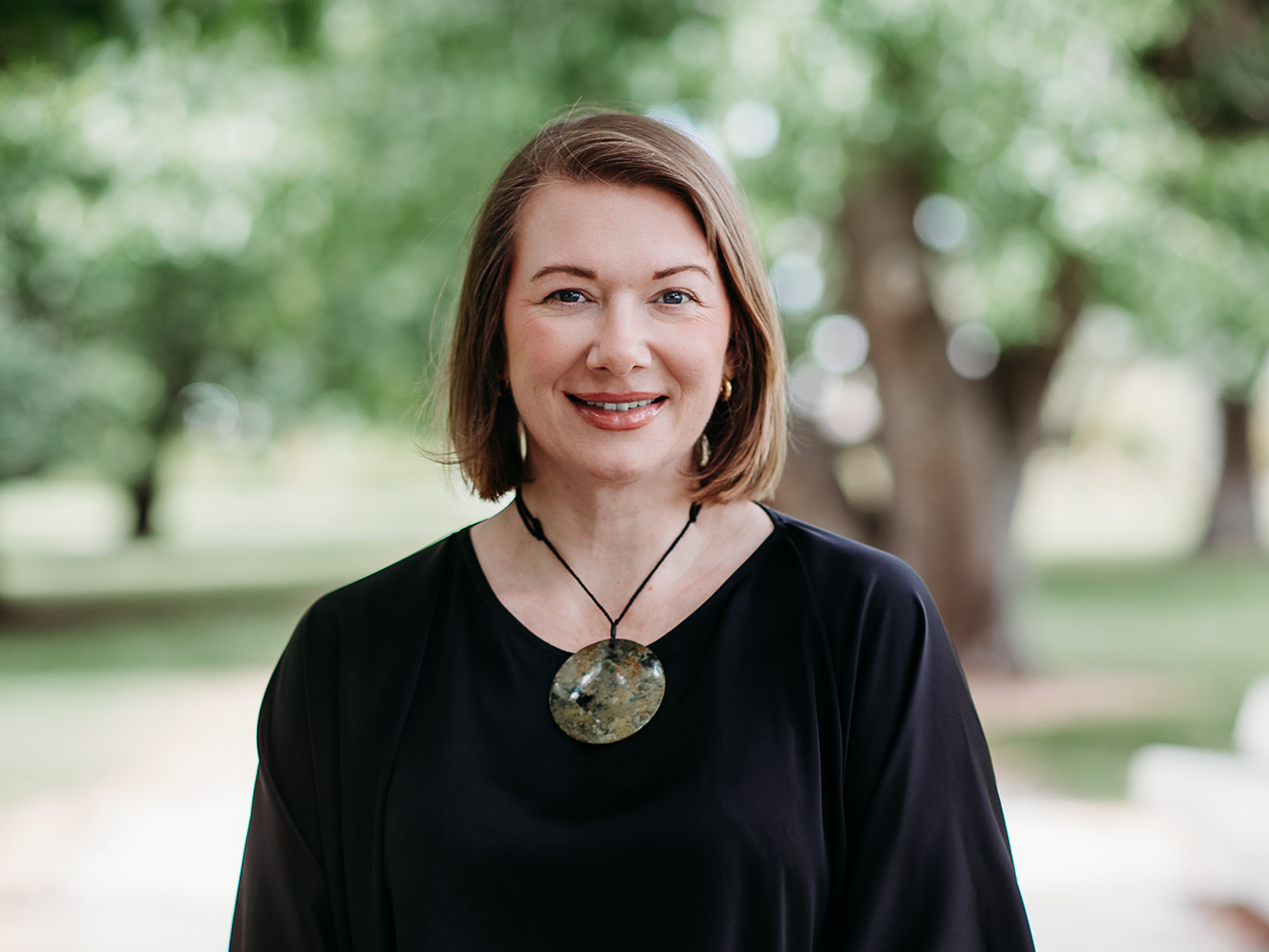
Years later, when I was invited to interview for the Peer Strategic Lead role here at Pathways and Real, it felt like a full circle moment. To continue to draw on my own lived and living experience and turn it into something meaningful for others is one of the great privileges of my life. It is incredibly special mahi and I never take it for granted.
I understand myself as a conduit for collective voices. I do not see this role as a platform for my personal story alone. Every day I am in conversation with people who are navigating their own journey through mental distress and/or addiction – people who are incredibly generous with their experiences.
Their insight, their courage, and their challenges guide me. Our lived and living experience and Peer workforce, our tāngata whai ora, our taiohi, and their whānau keep me grounded.
To anyone who is just beginning to make sense of their own lived or living experience, I want to say this: Have hope. Hope is more than a feeling. It is a practice. It can be shared, strengthened, modelled, and held for you when you cannot hold it for yourself. That is the power of remembering that hope exists, recovery is achievable, and we are so, so much more than our diagnosis.
— This story was first featured in Harikoa magazine (issue 1, 2026).